How to Clean a 925 Silver Necklace That Turned Black
Short answer: a 925 silver necklace turns black because of silver sulfide, not dirt. Check whether yours is plated before you clean it: abrasive pastes take the plating off, and the silver underneath then blackens faster.
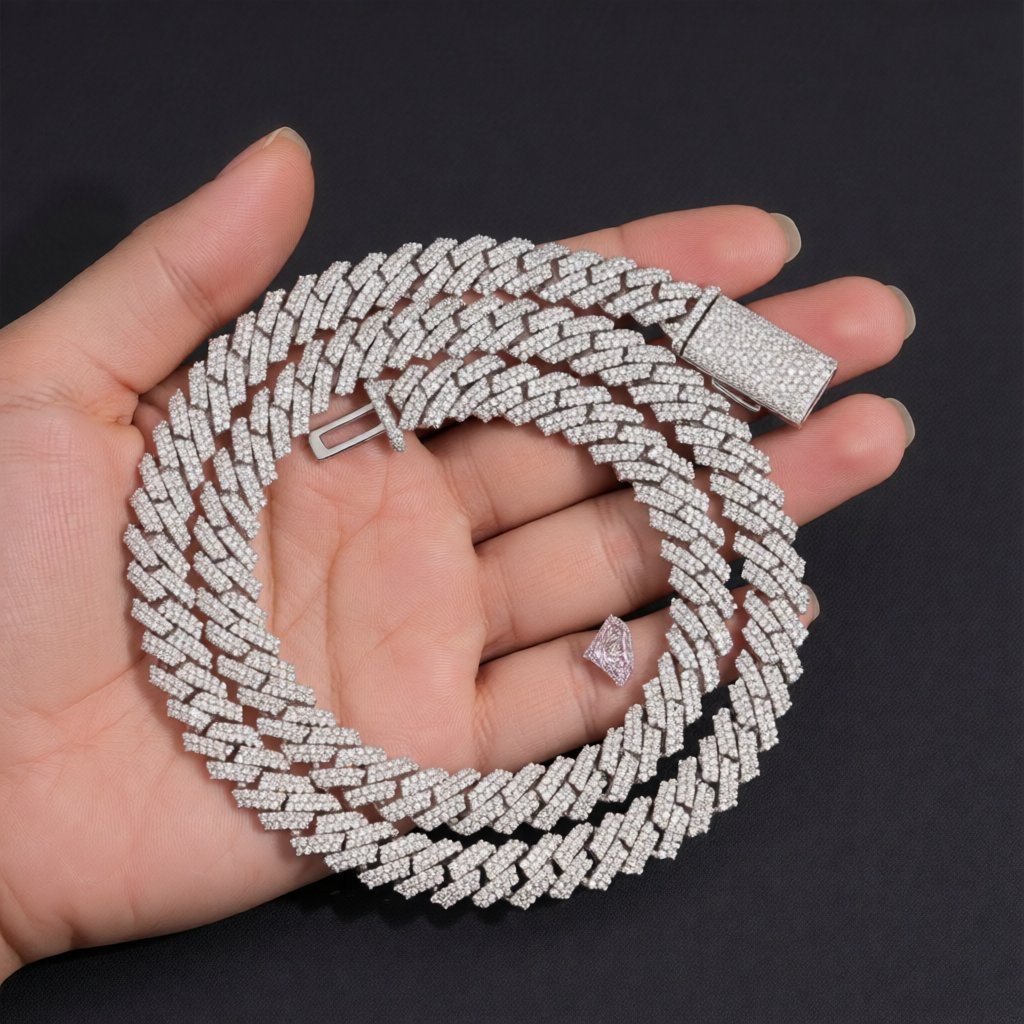
Most guides start with a toothbrush and toothpaste. That order is backwards: on a plated necklace the usual remedies strip the finish before they reach the tarnish.
What the black layer actually is
The black is silver sulfide, Ag2S. Silver meets hydrogen sulfide in the air — the gas behind a rotten egg, present almost everywhere at low levels and higher near rubber, wool and heavy traffic — and the two react at the surface. What forms sits on the metal, not in it: detergent will not shift it.
Sterling is 92.5% silver and 7.5% copper; the copper gives the alloy its hardness and reacts first, forming copper sulfide, Cu2S, alongside the silver sulfide. That is why 925 darkens faster than fine silver — not a sign of a lower grade.
Humidity is the multiplier: the Canadian Conservation Institute puts storage below 50% relative humidity, because the reaction needs moisture. Weeks in a damp bathroom drawer; a year when the piece is wiped and bagged. And it starts where air and skin both reach: the back of the neck, the clasp.
First: does your necklace have a plating?
Before any method, look at the surface. Almost every silver chain is one of three constructions.
- Rhodium over 925 silver. The bright white finish on silver-tone pieces: 0.1 to 0.25 micron thick, it does not tarnish, and what you see is it thinning at the clasp while the silver underneath begins to show.
- 18K gold plated over 925 silver. The same idea in a warm colour — a coating, not the body of the piece.
- Bare 925 silver, no plating. Silver to the surface: the one that goes yellow-brown first, and the only one a cloth restores completely.
That decides the method, because every household abrasive works by grinding. Toothpaste, baking soda paste and jeweller’s rouge take the sulfide off by taking the surface with it — a trace of metal on bare silver, the whole plating on a plated piece, and once that is gone the exposed silver darkens faster than the finish did.
Unsure? Read the worn points: a plated piece shows a paler patch at the clasp, not a darker one. How each finish ages is in Does Moissanite Tarnish? It’s the Metal, Not the Stone.
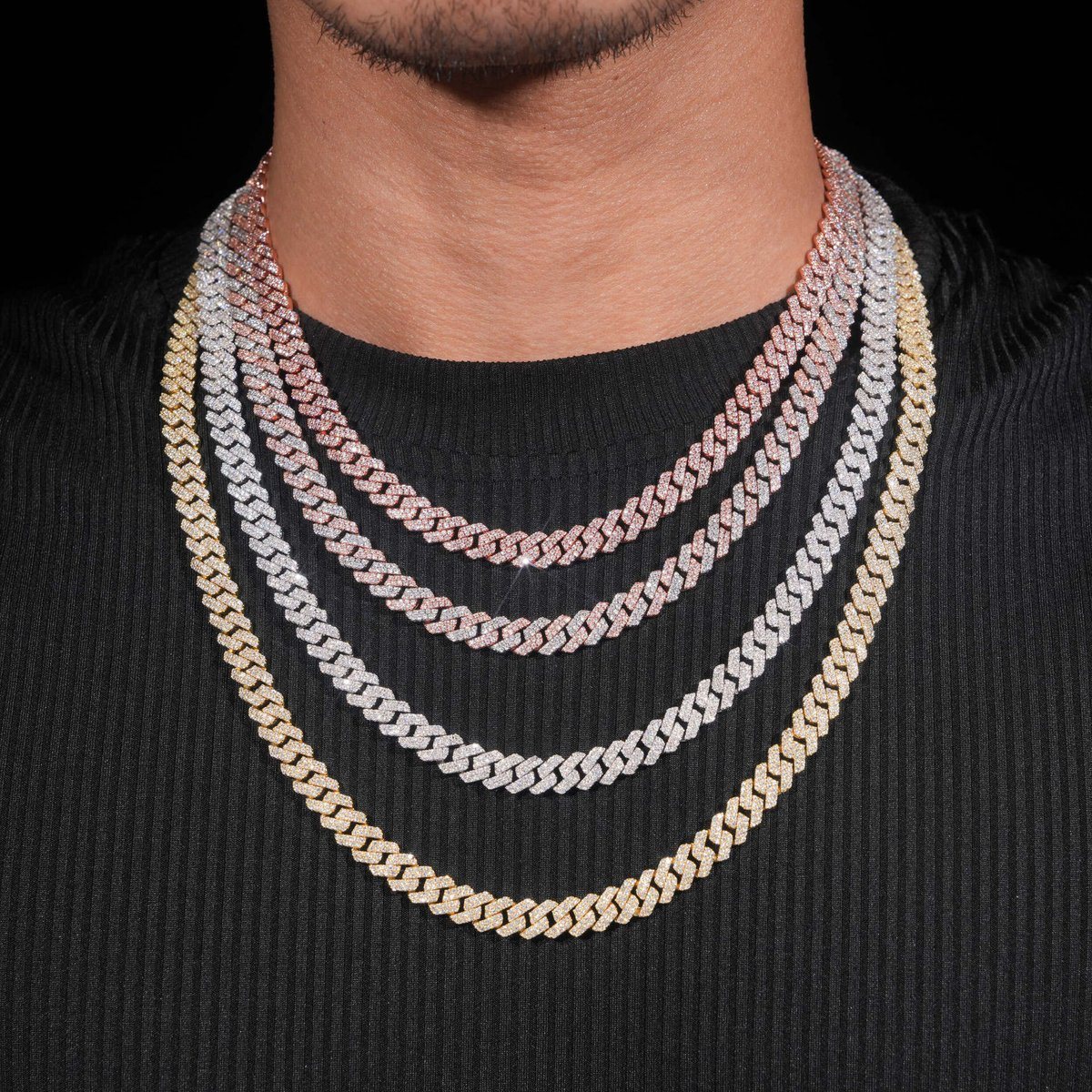
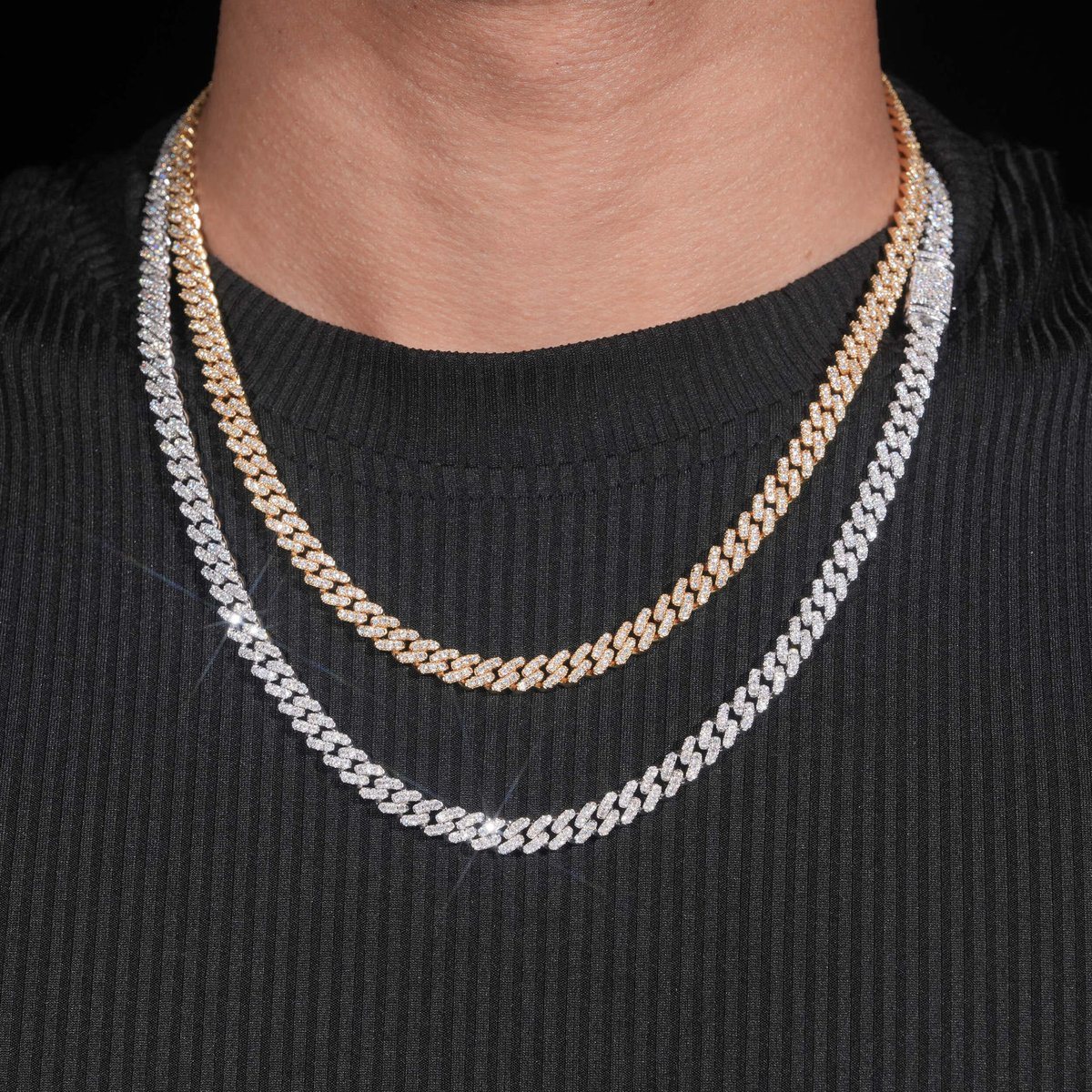
Level 1 — a dry cloth, and the discipline to stop
The first step is a cloth, and it is enough more often than people expect: fold a soft dry microfibre and pull the chain through it in one direction.
It takes off the faint yellow film, drawer dullness and handling marks. It does not take off black that has sat for months, or black between links.
Stop when the cloth stops coming away grey. If it is clean and the piece is still dark you have hit the limit: thicker film, a gap a cloth cannot reach, or plating wear. Rubbing harder only scratches the metal, and a scratched surface holds the next film.
Level 2 — warm water, one drop of dish soap, a soft brush
This is the step most people skip, and it fixes what looks exactly like tarnish and is not: skin oil, cream, sunscreen and soap packed into the gaps.
- Lukewarm water in a bowl, not the sink.
- One drop of mild dish soap — no lemon, no bleach.
- A baby toothbrush, worked along the links: bristles, not pressure.
- Rinse in a second bowl, pat dry, ten minutes in the air.
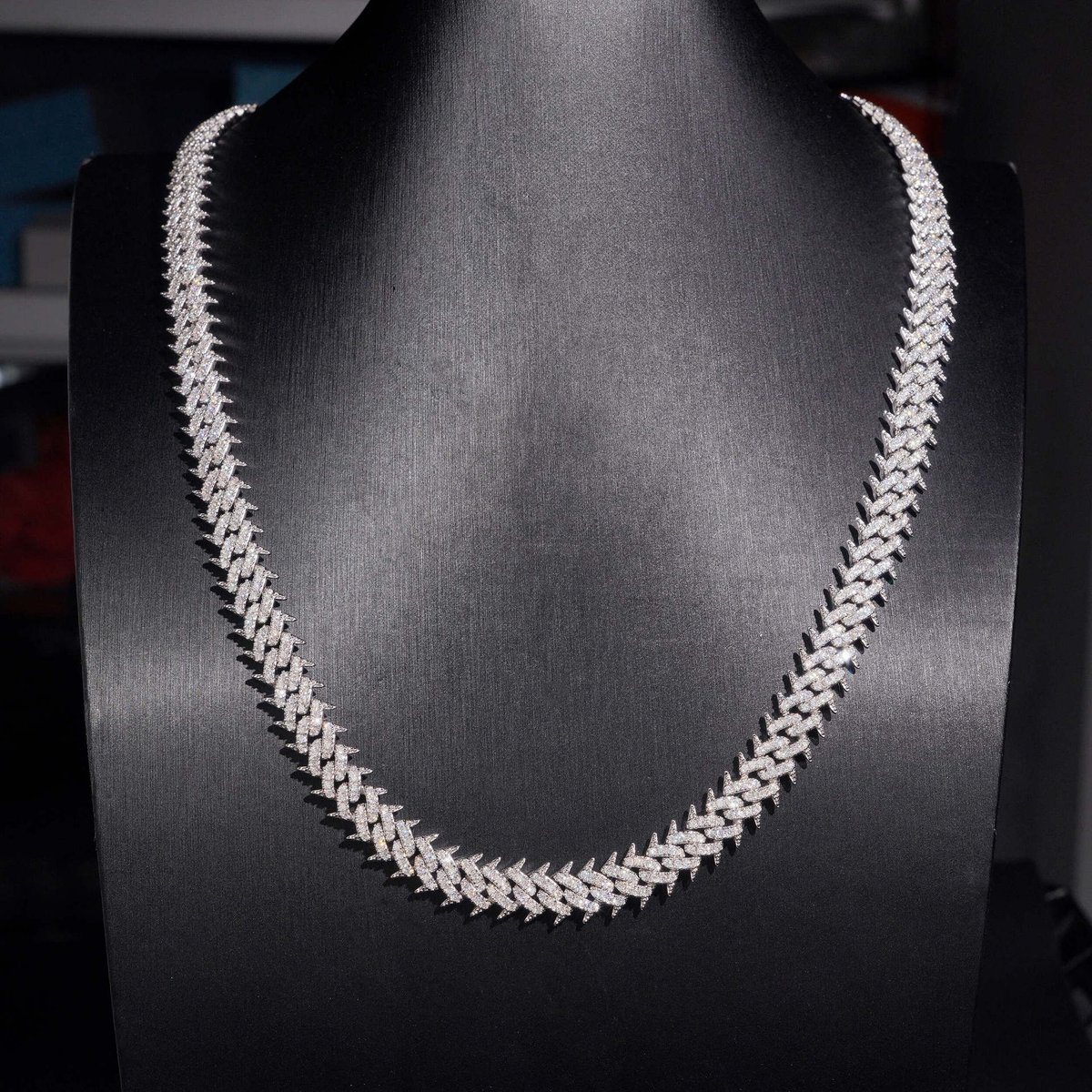
On textured pieces it is the only step that reaches the problem: the thorn-cut links are where cream collects. It does not remove silver sulfide, though — if the piece dries black, the problem is chemical.
Level 3 — aluminium foil, baking soda, hot water
The foil method sounds like folklore and is not: it puts the silver back rather than taking the surface off.
3Ag2S + 2Al → 6Ag + Al2S3. Aluminium is more reactive than silver, so in a baking soda solution it gives up electrons, the silver sulfide takes them, the silver returns to metal and the sulfide binds to the aluminium — reduction, not dissolution, at no cost in metal.
- A glass bowl lined with foil; the piece has to touch it, so a loose sheet beats a tight wrap.
- One tablespoon of baking soda per cup of hot tap water. Hot, not boiling.
- Two to five minutes on the foil, checked at two: the black lifts from link edges first.
- Lift with a plastic utensil, rinse, dry, air an hour. Stop at five minutes.
Not for: plated pieces, where there is no sulfide on the coating to reduce; glued stones and pearls; any piece whose black you cannot identify — test a cotton bud under the clasp first.
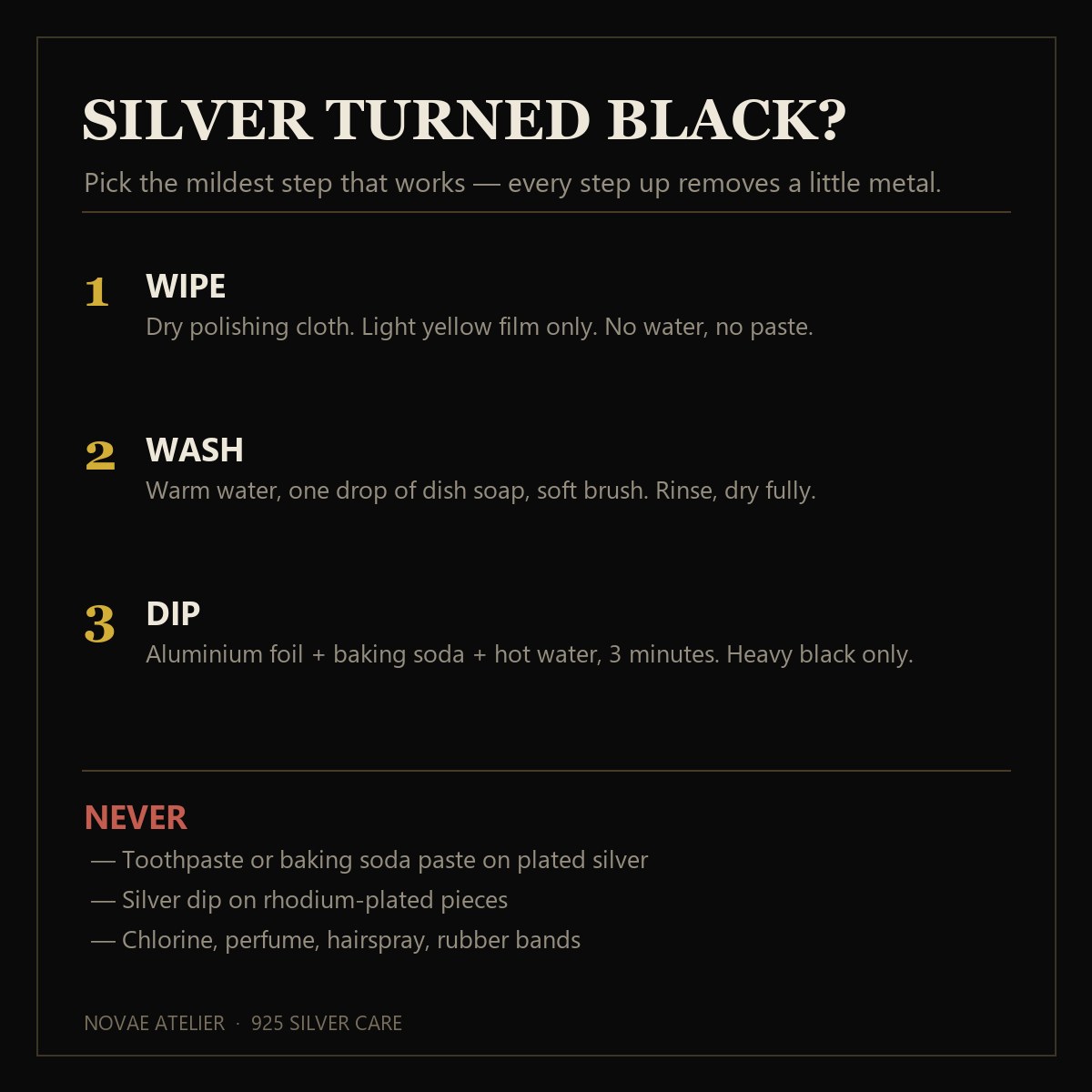
What never to use, and why
- Toothpaste. Calcium carbonate or silica: it cuts plating in a few sessions and leaves scratches that hold the next film.
- Baking soda paste. The same abrasive — dissolved it is an electrolyte, pasted on it is sandpaper.
- Silver dip. Thiourea strips the sulfide, the plating and the darkening in the recesses, all at once.
- Bleach and chlorine. The fastest way to blacken silver: one hot tub soak does a year’s damage.
- An ultrasonic on a densely set plated piece. Claws go loose and plating lifts at its edges.
- Rubber. Bands, hair ties, gloves: the links under them go black and the box looks fine.
The three levels side by side
Use the lowest level that works.
| Level | For | What you do | Time | Plating | Risk |
|---|---|---|---|---|---|
| 1. Dry cloth | Faint film, dulling | Pull the chain through a soft dry cloth, one direction | 2–3 min | None if untreated | Low; scratches over grit |
| 2. Wash | Oil and cream in gaps | Lukewarm water, dish soap, soft brush, rinse in a bowl | 5–10 min | None | Low; lost down the drain |
| 3. Foil bath | Thick sulfide, bare silver | Foil-lined bowl, baking soda, hot water, piece on the foil | about 10 min | Not for plated | Moderate; plating edge, glued settings |
None of the three restores a worn plating layer; if the black is a thinned patch at the clasp, the fix is a re-plate, not a clean.
How to keep it from coming back
Tarnish is not preventable forever. It is slowable, and most of the slowing is storage.
- Dry, sealed, dark. Under 50% relative humidity, in a zip bag with a silica sachet. Never the bathroom.
- Off before water. Shower, pool, hot tub, washing up. Chlorine is the worst of the list.
- Last on, first off. Perfume, hairspray and lotion first, necklace last.
- Wipe after a hot day. Sweat and fingerprint salts are accelerators.
- Keep sulfur away. Rubber, wool, eggs, onions.
Our pieces, honestly
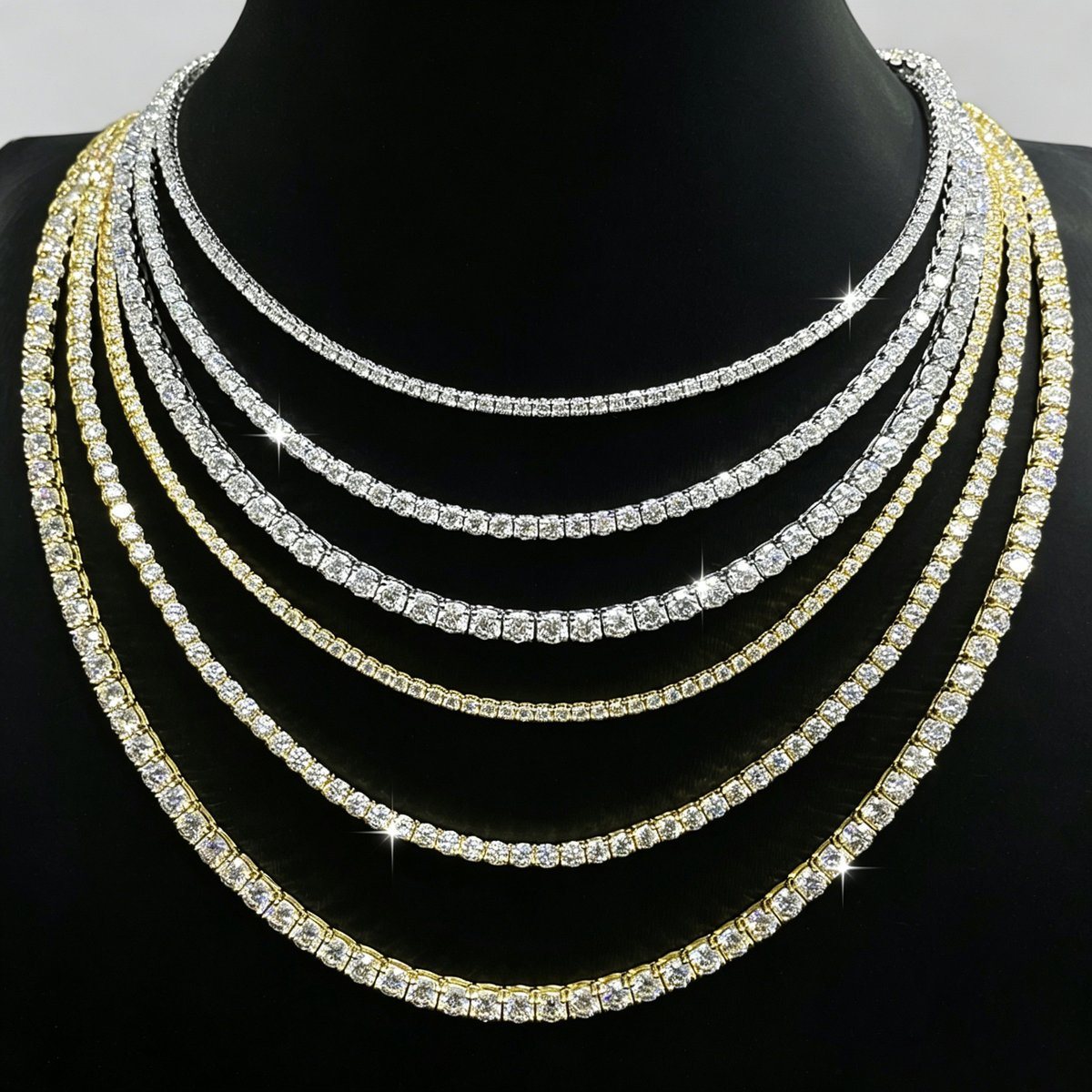
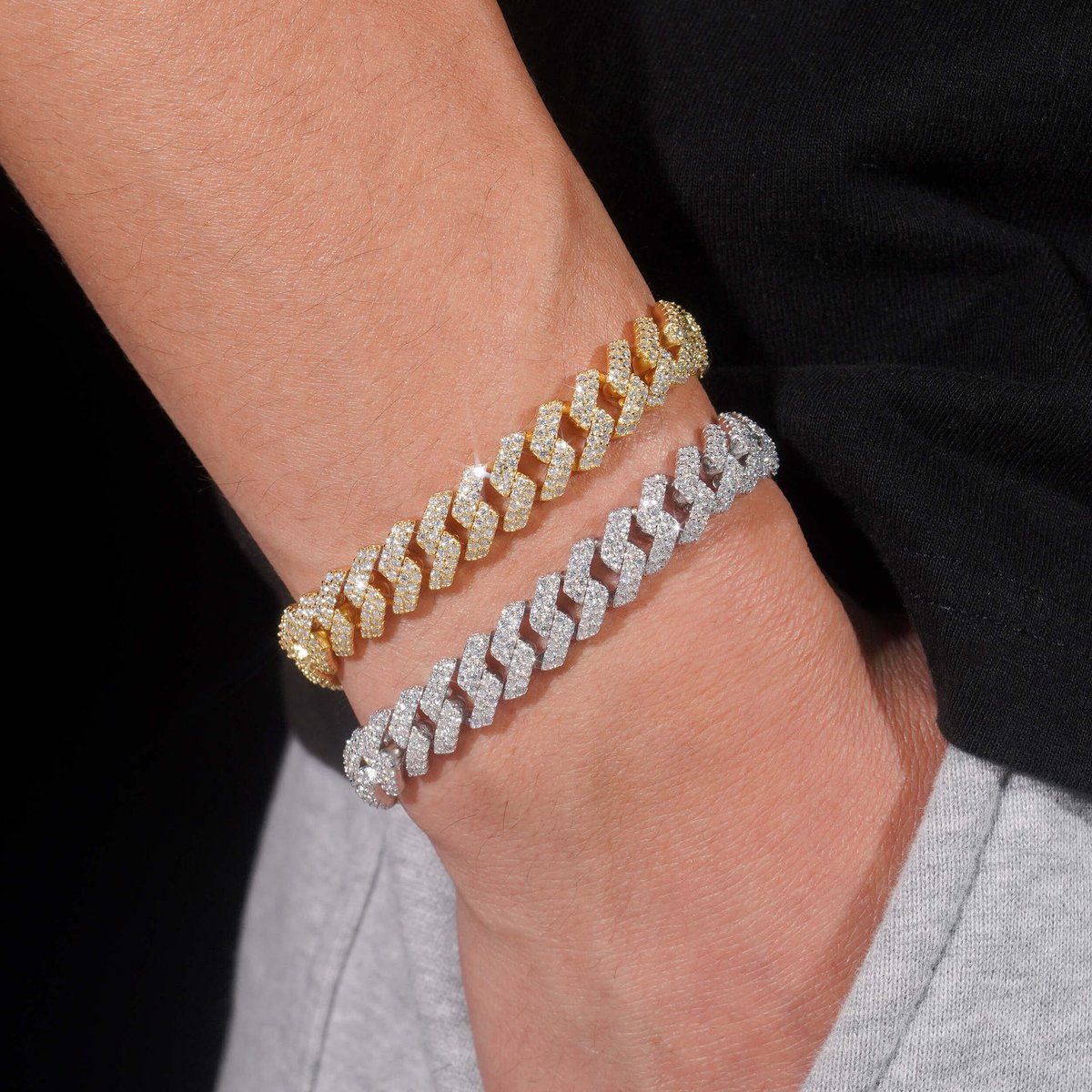
- Base metal: 925 sterling silver on the four pieces linked below. One Cuban line also comes in a copper-base version at a lower price, and its product page says so.
- Finish: the tennis chain is bare polished 925 silver, no plating at all — a cloth can bring it back and the foil bath is safe on it. The Cuban lines are rhodium-plated over the same silver. Either way what tarnishes is the silver; the coating only delays it.
- Stones: moissanite, silicon carbide, hand-set — not a metal, so it cannot tarnish. What Is Moissanite?
- What will happen: a 925 piece tarnishes eventually. Plating slows it, never stops it; a worn plate over a darkened link is normal after a couple of years, and re-plating fixes it.
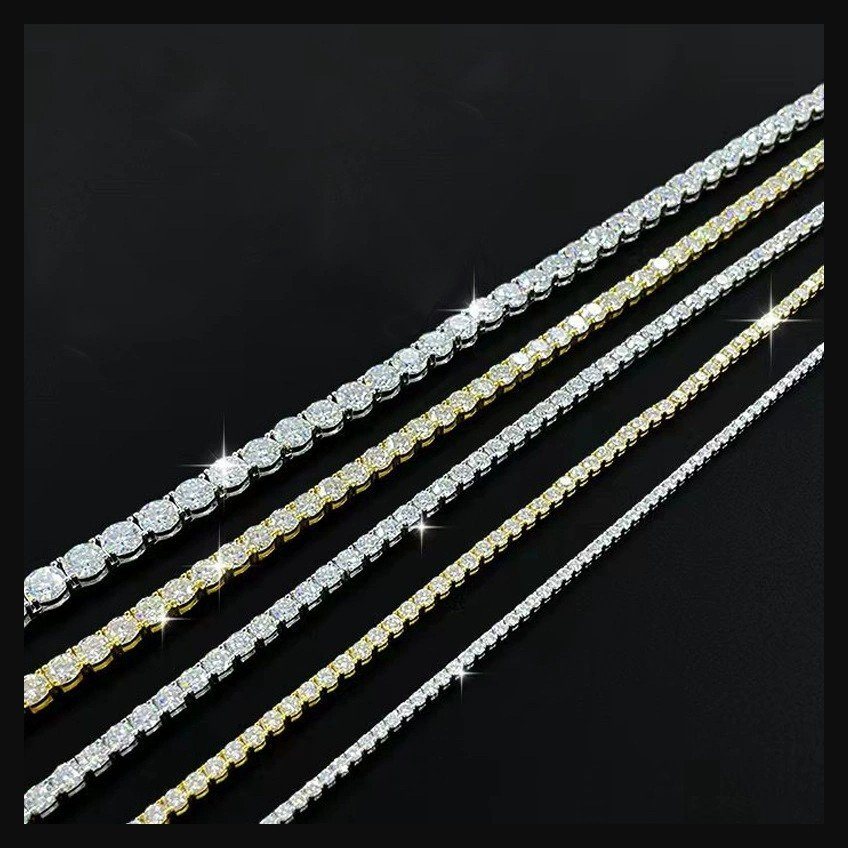

Pricing is in the Cuban chain cost guide, the tennis bracelet cost guide and the pendant cost guide. To check a stone yourself, the three home checks.
Frequently asked questions
Why did my 925 silver necklace turn black?
Silver sulfide, not dirt. Silver reacts with hydrogen sulfide in the air, and the 7.5% copper in a 925 alloy forms copper sulfide alongside it — which is why sterling darkens faster than fine silver. Humidity speeds it up.
Can I clean a 925 silver necklace with toothpaste?
You can, and on a plated piece you should not. Toothpaste cleans by abrasion, so it takes the plating off with the sulfide, and on bare silver it leaves scratches that hold the next film.
Does the aluminium foil and baking soda method really work?
Yes, on bare silver: the aluminium gives electrons to the silver sulfide, the silver returns to metal and the sulfide binds to the aluminium. No metal is ground away. It does not fix plating wear.
Will cleaning take off the rhodium or gold plating?
Not the water-and-soap step, and yes to anything abrasive. Toothpaste, baking soda paste, polishing compound and silver dip all attack a plated layer; a soft cloth and a soft brush do not.
How do I stop a silver necklace tarnishing again?
Dry, sealed, dark and away from sulfur: under 50% relative humidity in a zip bag with a silica sachet, off before showers and pools, a dry wipe after a hot day. 925 silver tarnishes eventually.
Not Sure What You Are Looking At?
Send a daylight photo of the dark area, silver-tone or gold-tone, and we will say whether it needs a cloth, a wash, the foil bath or a re-plate.
اسأل على واتسابSources: Canadian Conservation Institute, Understanding how silver objects tarnish (silver sulfide formation, hydrogen sulfide, 50% relative humidity) — canada.ca; Sheffield Assay Office, Why does silver tarnish? (copper in the 925 alloy, sulfur sources) — assayoffice.co.uk; Silver to Black — and Back, Journal of Chemical Education 77(3), 2000 (aluminium reduction of silver sulfide) — pubs.acs.org. Prices: our own catalogue variant prices, 4 November 2026, in USD.